
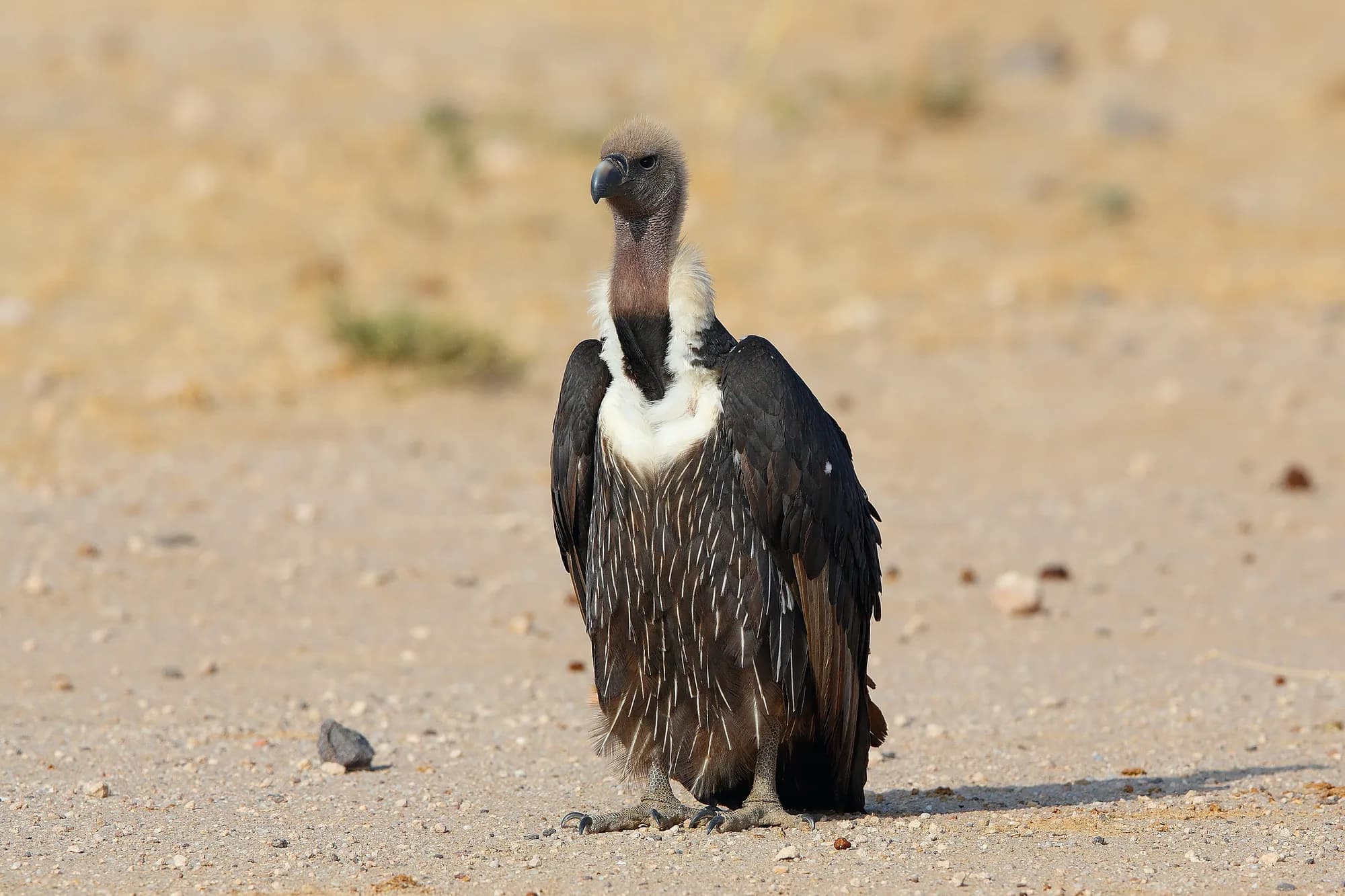
Species · Gyps bengalensis
White-rumped vulture
A bird that numbered in the tens of millions and lost more than ninety-nine per cent of its population in about a decade. The fastest collapse of any bird species ever recorded.
Also called
- Gidh (गिद्ध) · Hindi
- Gidhad · Marathi
- Sagun · Assamese
Checked 30 Aug 2026
- Where
- Northern & central India
- Best months
- November–April
- Lost
- Over 99% since the 1990s
- Cause
- Diclofenac
Open country, dry forest and around villages across northern and central India — wherever there is livestock and somewhere to nest.
Where it is
Where to actually go
Ranked, with the reason each — these are not interchangeable.
Where you will not see one
- Anywhere in the numbers people rememberOlder visitors describe skies full of vultures over Indian towns. That is gone, and the scale of the loss is the single most important thing on this page.
- Confused with an eagleVultures soar with the head tucked and a broad flat wing; eagles show a projecting head and a longer tail. At a carcass, size and bare skin settle it.
When to go
When to go
- J
- F
- M
- A
- M
- J
- J
- A
- S
- O
- N
- D
January: best. February: best. March: best. April: good. May: marginal. June: marginal. July: closed or unproductive. August: closed or unproductive. September: closed or unproductive. October: marginal. November: best. December: best.
Through the day
- Dawn
- Morning
- Midday
- Afternoon
- Dusk
- Night
Dawn: usually resting. Morning: most active. Midday: most active. Afternoon: active. Dusk: usually resting. Night: not normally seen.
What it looks like in the field
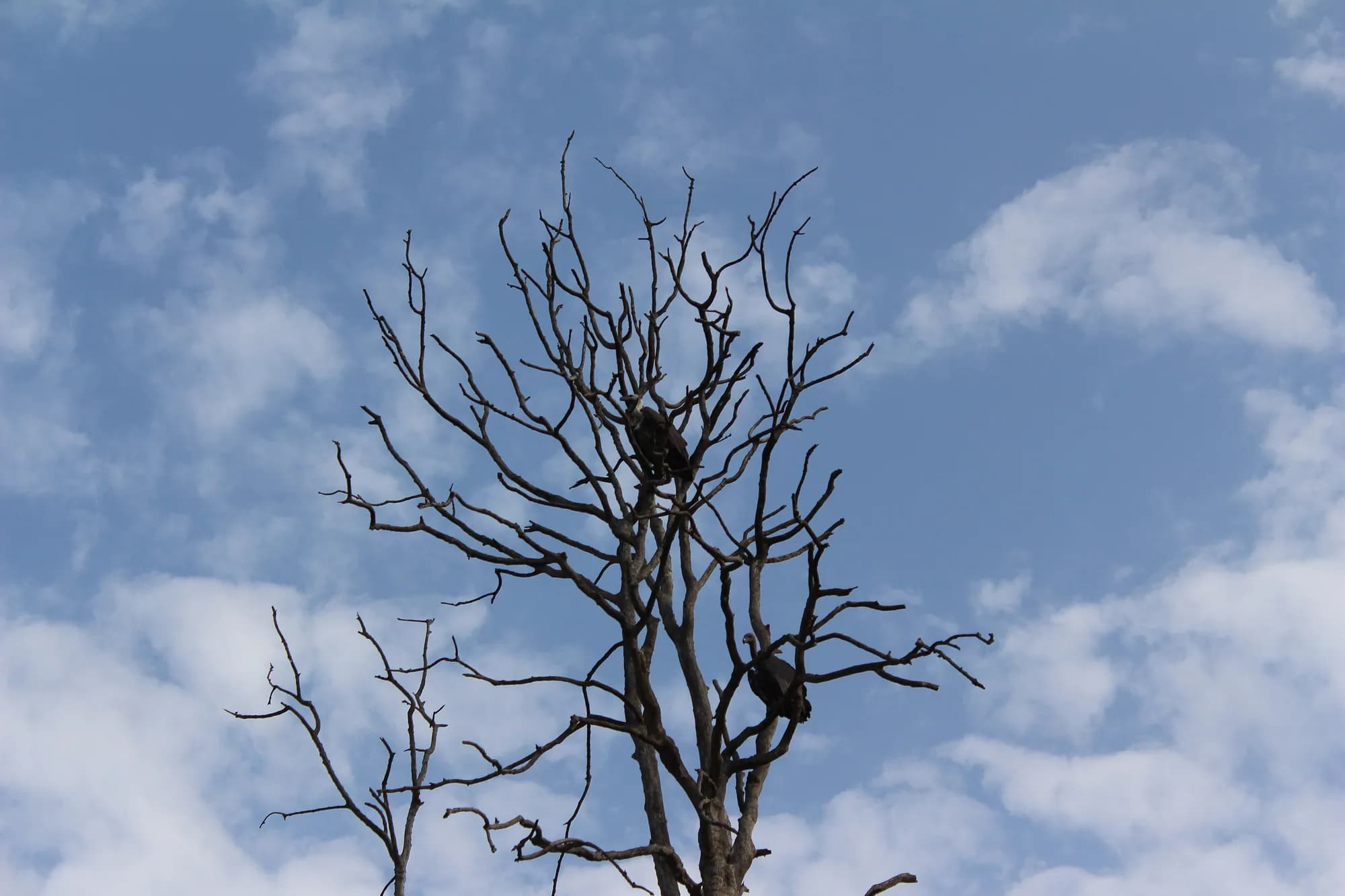
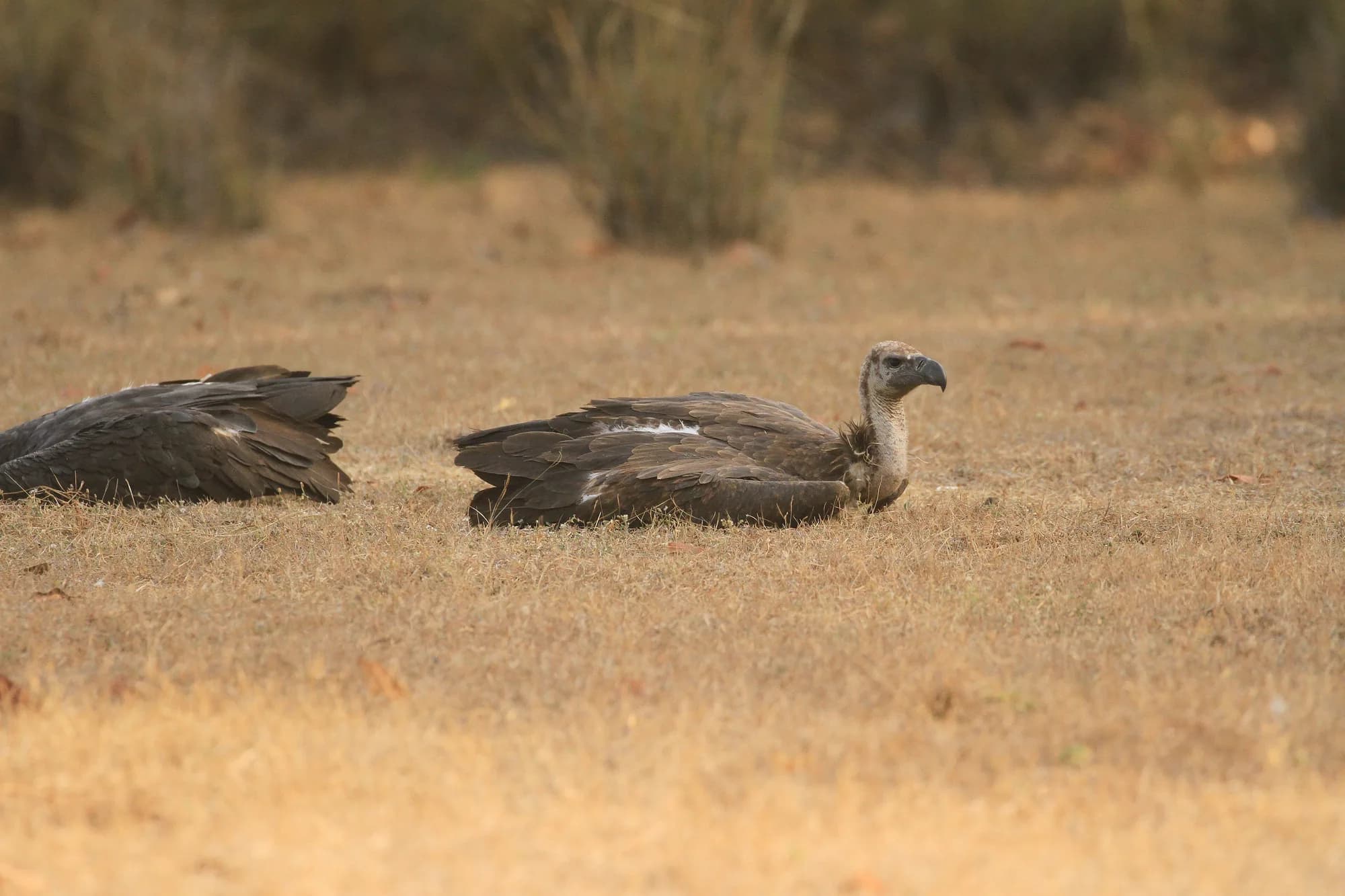
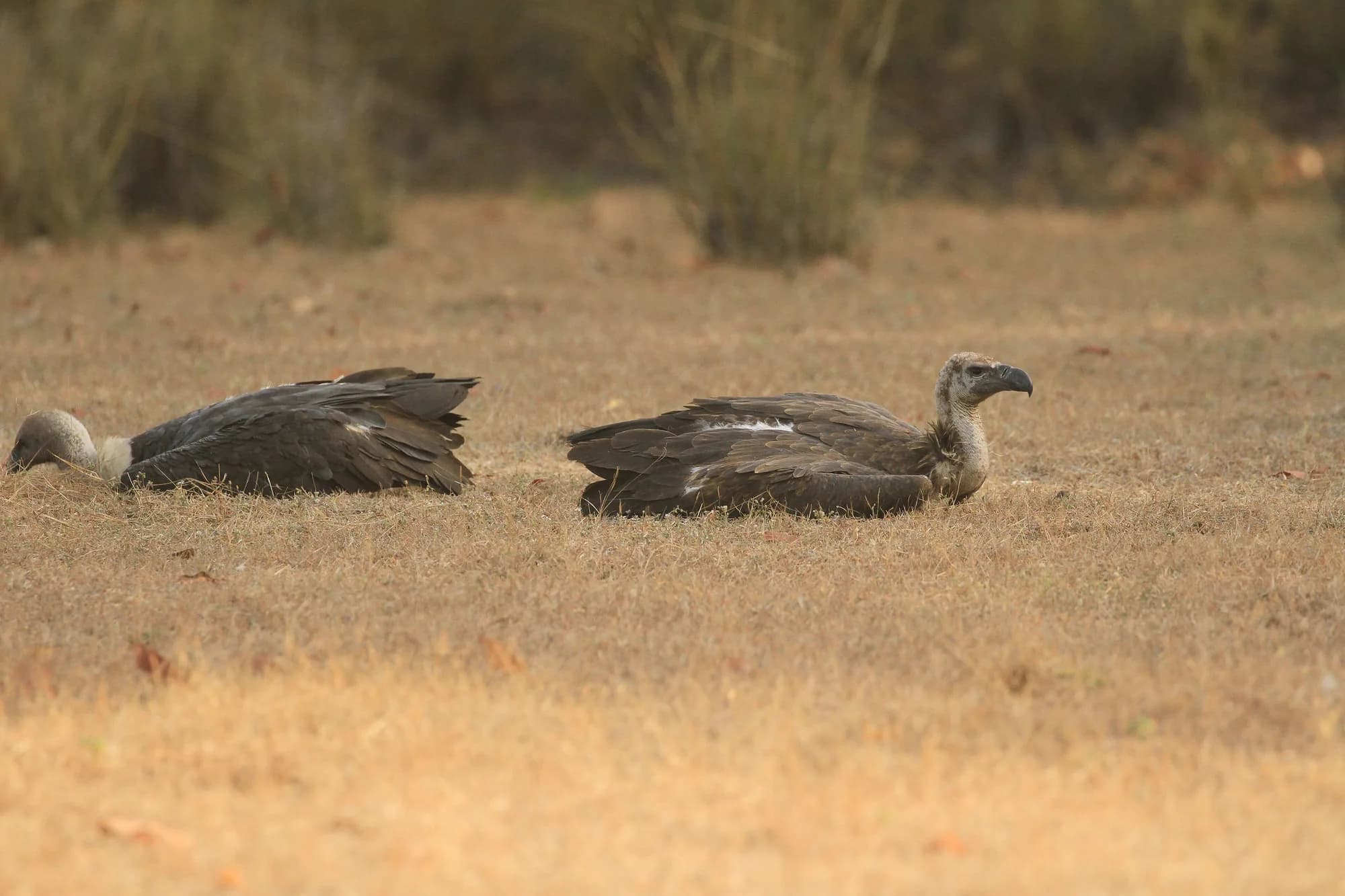
Photographs of White-rumped vulture in the wild, in Indian reserves. We publish no captive, baited or digitally composited images, and no photograph whose licence we cannot show.
The collapse
In the early 1990s this was plausibly the most abundant large bird of prey in the world. Within about a decade it had lost more than ninety-nine per cent of its numbers, and nobody knew why for years.
The knock-on effects were not small. Carcasses that vultures once stripped in hours instead rotted or fed feral dogs, and the dog population rose accordingly.
Status and protection
Status and protection
- IUCN Red List
- Critically Endangered
- Population trend
- ↓ Decreasing
- Wildlife Protection Act 1972
- Schedule I
- CITES
- Appendix II
Species-level assessment; binomial as given. Taxon id 22695194.
Assessed 2021 · IUCN Red List assessment
What to book to see one
What you would be booking
- How it is seen
- Any jeep drive, looking up. Cliffs and large nesting trees are the places to ask about.
- Drives to book
- No arrangement. Nesting cliffs at Bandhavgarh and Satpura are known to guides.
If you find a carcass with vultures on it, stay back and stay in the vehicle. Disturbed birds abandon a carcass and burn energy they cannot spare, and in a species at this population level that is not a trivial cost.
Bandhavgarh — the park in fullQuestions people ask
Why did Indian vultures disappear?
Are they recovering?
Where can I see one?
Read next
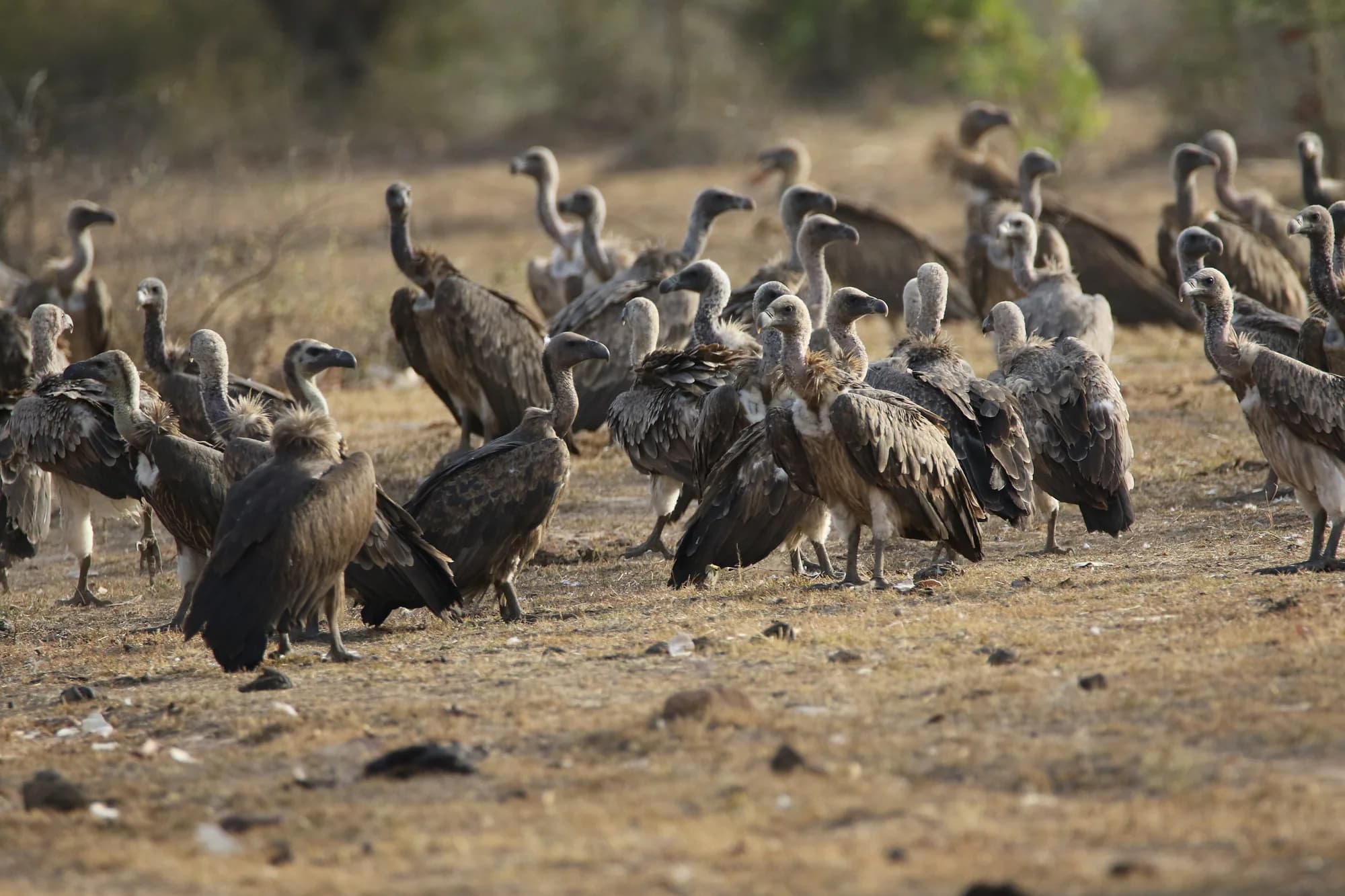
Cliffs at Ranthambore and Bandhavgarh
Indian vulture — the same story
The cliff-nesting Gyps of peninsular India, hit by the same drug as its white-rumped cousin, and now most reliably found on the fort escarpments people drive past.
A Himalayan ridge, at eye level
Bearded vulture — the mountain one
Nearly three metres of wing passing below you on a ridge, orange-stained, with a diamond tail. The only bird in the world that lives mainly on bone, and the standard consolation on a blank snow leopard morning.
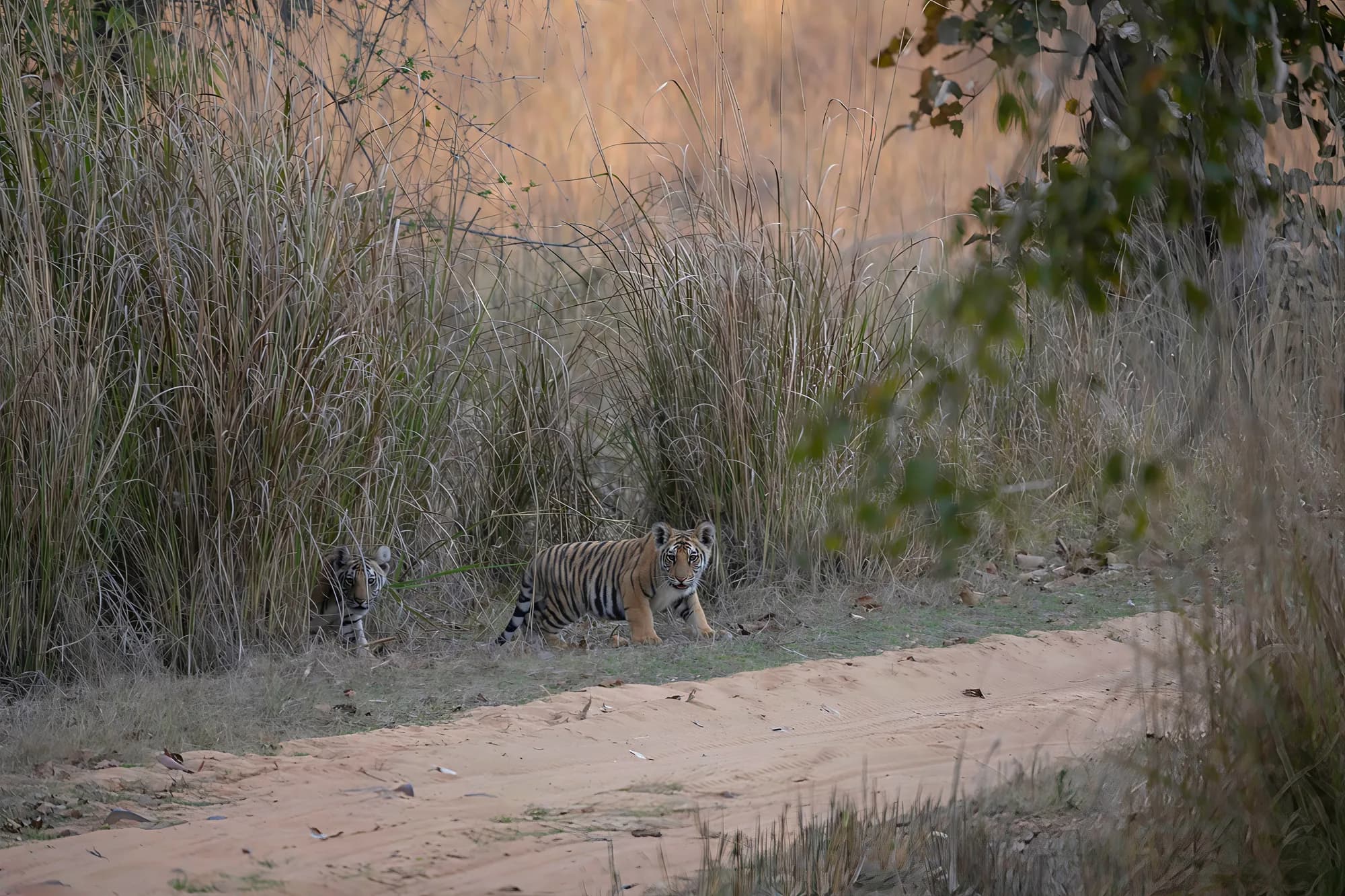
Madhya Pradesh
Bandhavgarh — the park in full
The highest tiger density in India in a compact area — which is why it is the reserve most often recommended for a first trip.
Our position
Travelling responsibly
Where we stand on vehicle crowding, baiting and playback — and what we will not link to, whoever is paying.