
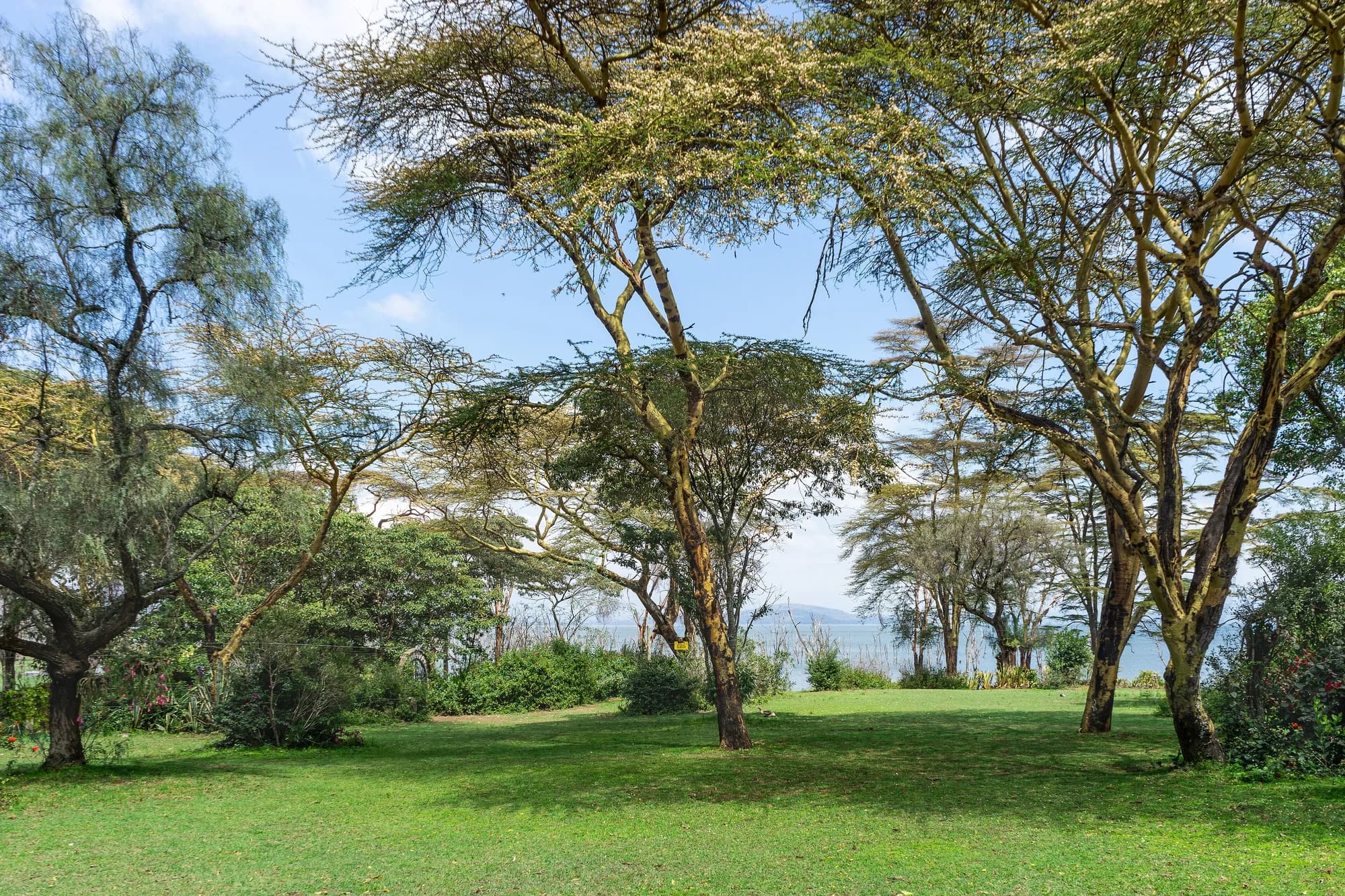
Lake Nakuru
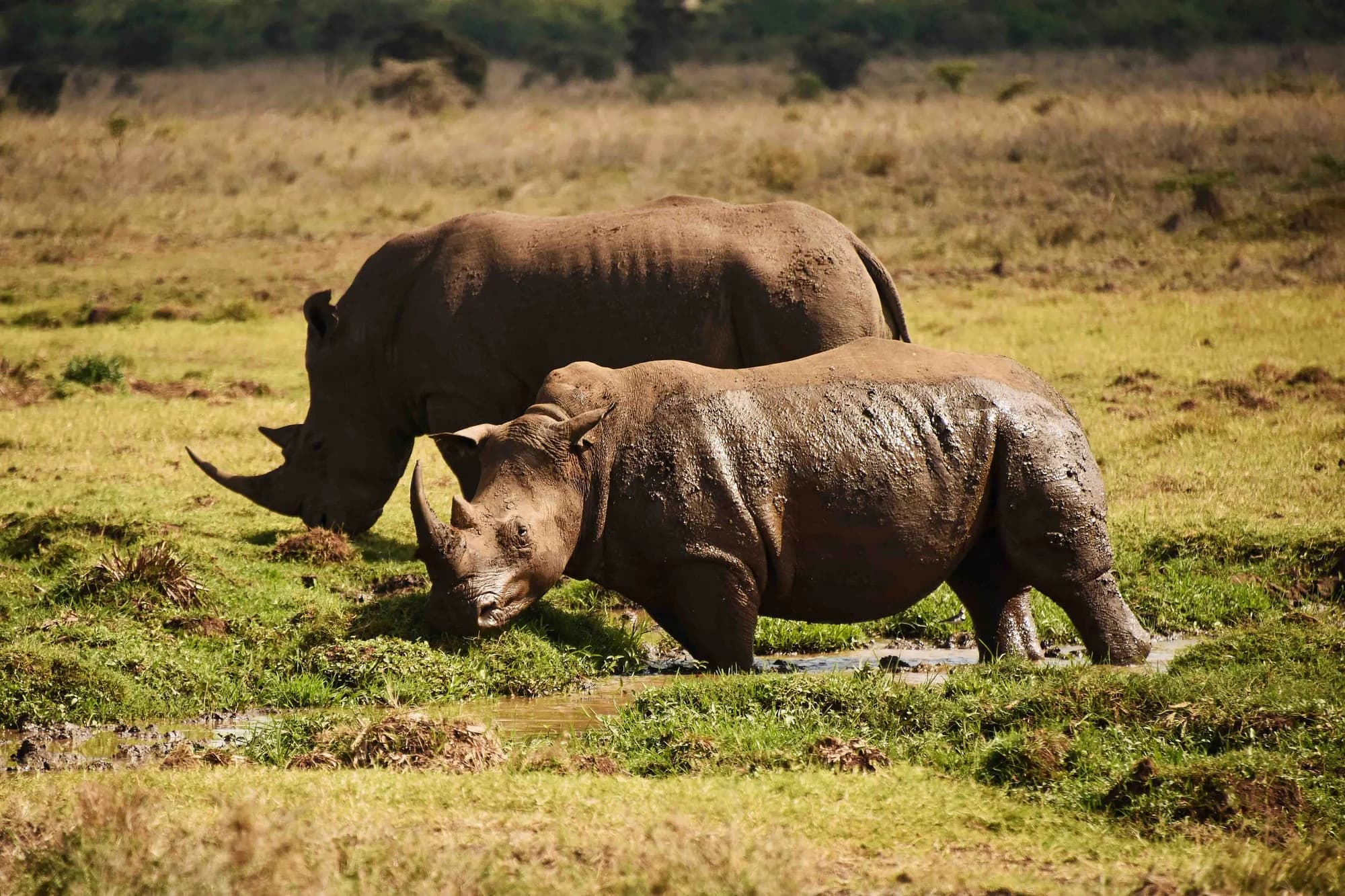
Rhino, both species, behind a fence that works
A soda lake ringed by fever trees and fenced all the way round, which is the reason it works: Kenya's most reliable rhino viewing is here because the fence is what makes it possible.
Lake Nakuru at a glance
- County
- Nakuru
- Area
- Not publishedNot recorded
- Safari zones
- Not publishedNot verified from the department yet
Permit data last verified .
When to go
- J
- F
- M
- A
- M
- J
- J
- A
- S
- O
- N
- D
January: best. February: best. March: best. April: marginal. May: marginal. June: best. July: best. August: best. September: best. October: best. November: best. December: best.
Everything on Lake Nakuru
Safari booking
How to book, which portal, when slots open
Know morePermits & fees
Fee table by nationality, with the source and date
Know moreZones
Every zone, its gate, and what people actually see
Know moreBest time to visit
Month by month, closures and sighting patterns
Know moreWhere to stay
Lodges and camps by tier, and what each is near
Know moreWildlife
Species present, populations, realistic odds
Know moreHow to reach
Rail, air and road, with verified transfer times
Know moreItineraries
Two, three and five night trips a partner can deliver
Know moreSafari cost
The full trip budget, not the headline number
Know moreSightings log
What guests reported, and when
Know more
What Lake Nakuru is a destination for
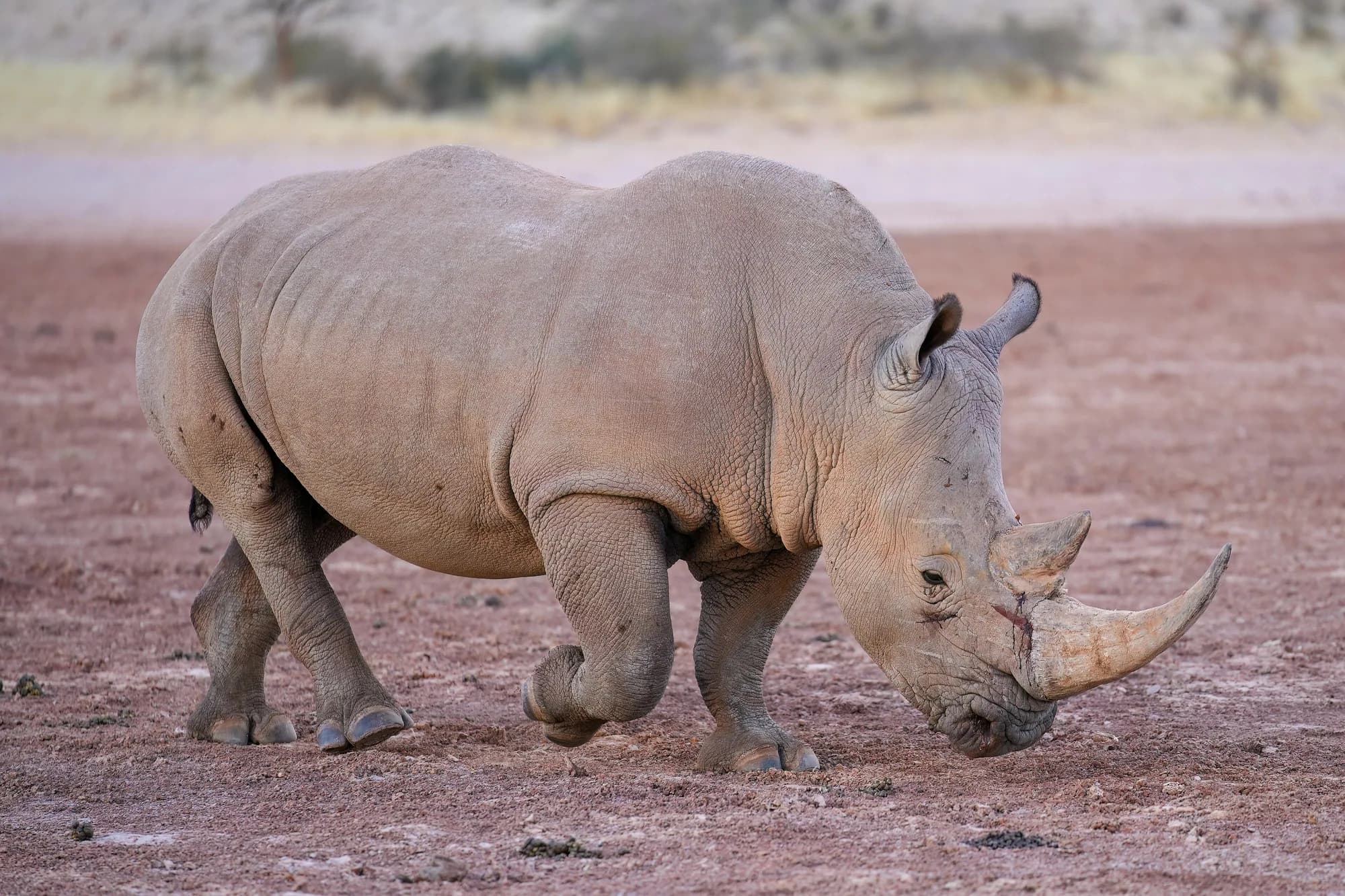
White rhinoceros
Five countries here, most of them in South Africa
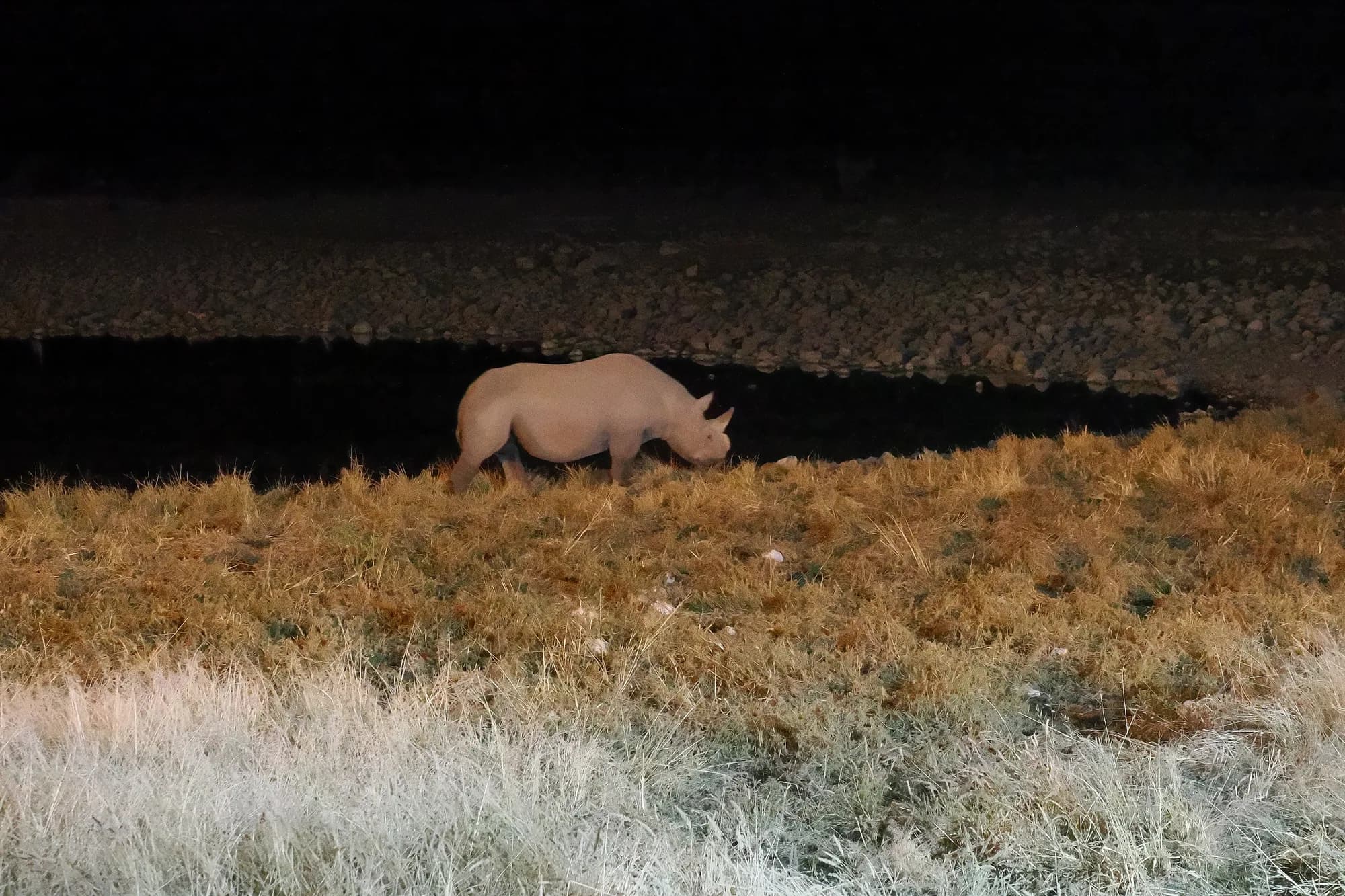
Black rhinoceros
Seven countries here, and genuinely rare in all of them
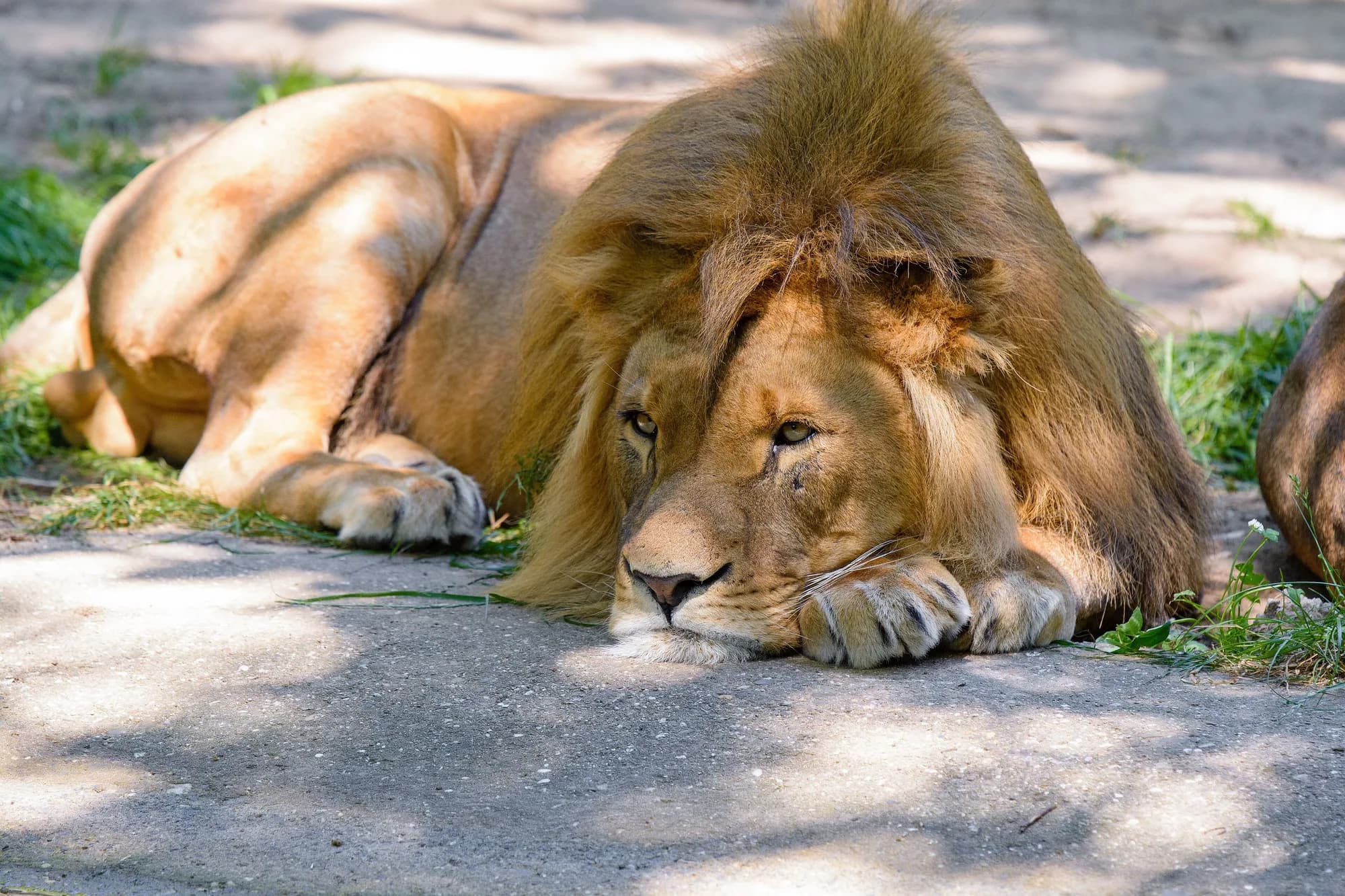
African lion
Nine countries here, and thinner on the ground than it looks
Greater flamingo
Soda lakes and coastal pans in four countries here
Also recorded here, and not yet written up: Rothschild's giraffe.
Questions people ask about Lake Nakuru
What is the best time to visit Lake Nakuru?
June–March. That is our reading of when the park rewards a trip. Its official closure window is not something we have verified from the department, so confirm the dates before you book.
How much does a safari at Lake Nakuru cost?
Conservation fee, charged per person per day at the gate. KWS publishes four visitor tiers on one schedule: East African citizens and Kenya residents in shillings, and African citizens and all other nationalities in US dollars. Rates are per adult and per child or student. A non-resident adult pays USD 90 and a child USD 45; an African citizen USD 50 and USD 25; an East African citizen KSh 1,500 and KSh 750; a Kenya resident KSh 2,025 and KSh 1,050. The schedule bands parks rather than naming a rate park by park. This one sits in “PREMIUM PARKS”, printed on the document as “Amboseli and Lake Nakuru National Parks” — so the rate above is the band's rate, and the mapping from band to park is the one step between the document and this page. Vehicles are charged separately and by seat count: KSh 600 under six seats, KSh 1,500 for six to twelve, KSh 3,000 for thirteen to twenty-four, KSh 4,500 for twenty-five to forty-four and KSh 5,000 above that. Source: Kenya Wildlife Service — Conservation Fees 2025, read 27 September 2026.
How do I book a safari at Lake Nakuru?
Through Kenya Wildlife Service. KWS sells park entry through its own eCitizen-linked system and at the gate. Conservation fees are per day and are not a booking — what does need booking is anything inside the park, and in Amboseli and the Mara ecosystem in migration season that is months ahead. Book direct: we take no payment from travellers and earn nothing from this answer.