
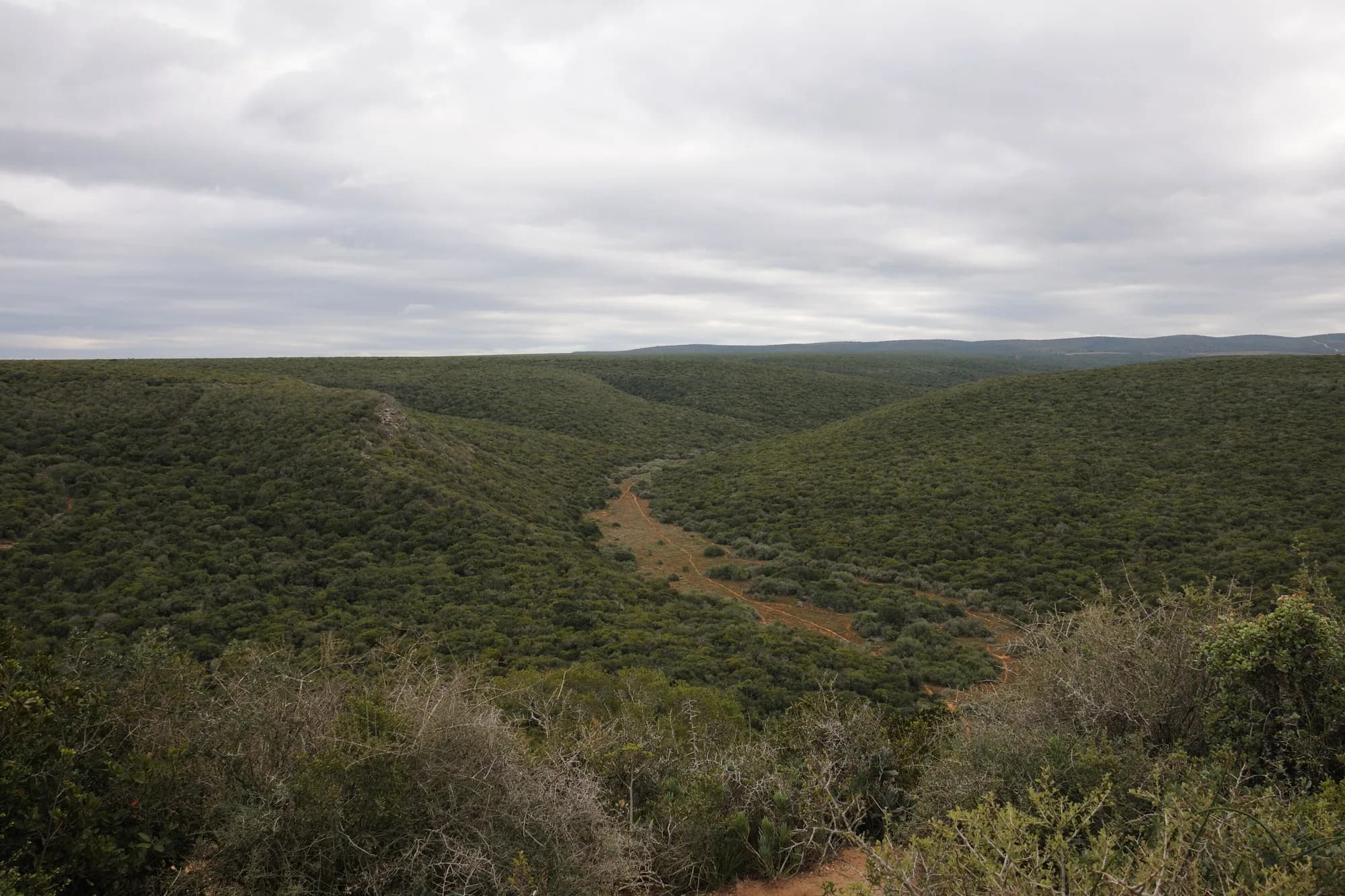
Addo Elephant
Elephant density, no malaria, and a short drive from a city
Dense spekboom thicket an hour from Gqeberha holding over six hundred elephants, and malaria-free — the combination is why it is the park most often recommended for a first African safari with children.
Addo Elephant at a glance
- Province
- Eastern Cape
- Area
- Not publishedNot recorded
- Safari zones
- Not publishedNot verified from the department yet
Permit data last verified .
When to go
- J
- F
- M
- A
- M
- J
- J
- A
- S
- O
- N
- D
January: best. February: best. March: best. April: best. May: marginal. June: marginal. July: marginal. August: marginal. September: marginal. October: best. November: best. December: best.
Everything on Addo Elephant
Safari booking
How to book, which portal, when slots open
Know morePermits & fees
Fee table by nationality, with the source and date
Know moreZones
Every zone, its gate, and what people actually see
Know moreBest time to visit
Month by month, closures and sighting patterns
Know moreWhere to stay
Lodges and camps by tier, and what each is near
Know moreWildlife
Species present, populations, realistic odds
Know moreHow to reach
Rail, air and road, with verified transfer times
Know moreItineraries
Two, three and five night trips a partner can deliver
Know moreSafari cost
The full trip budget, not the headline number
Know moreSightings log
What guests reported, and when
Know more
What Addo Elephant is a destination for
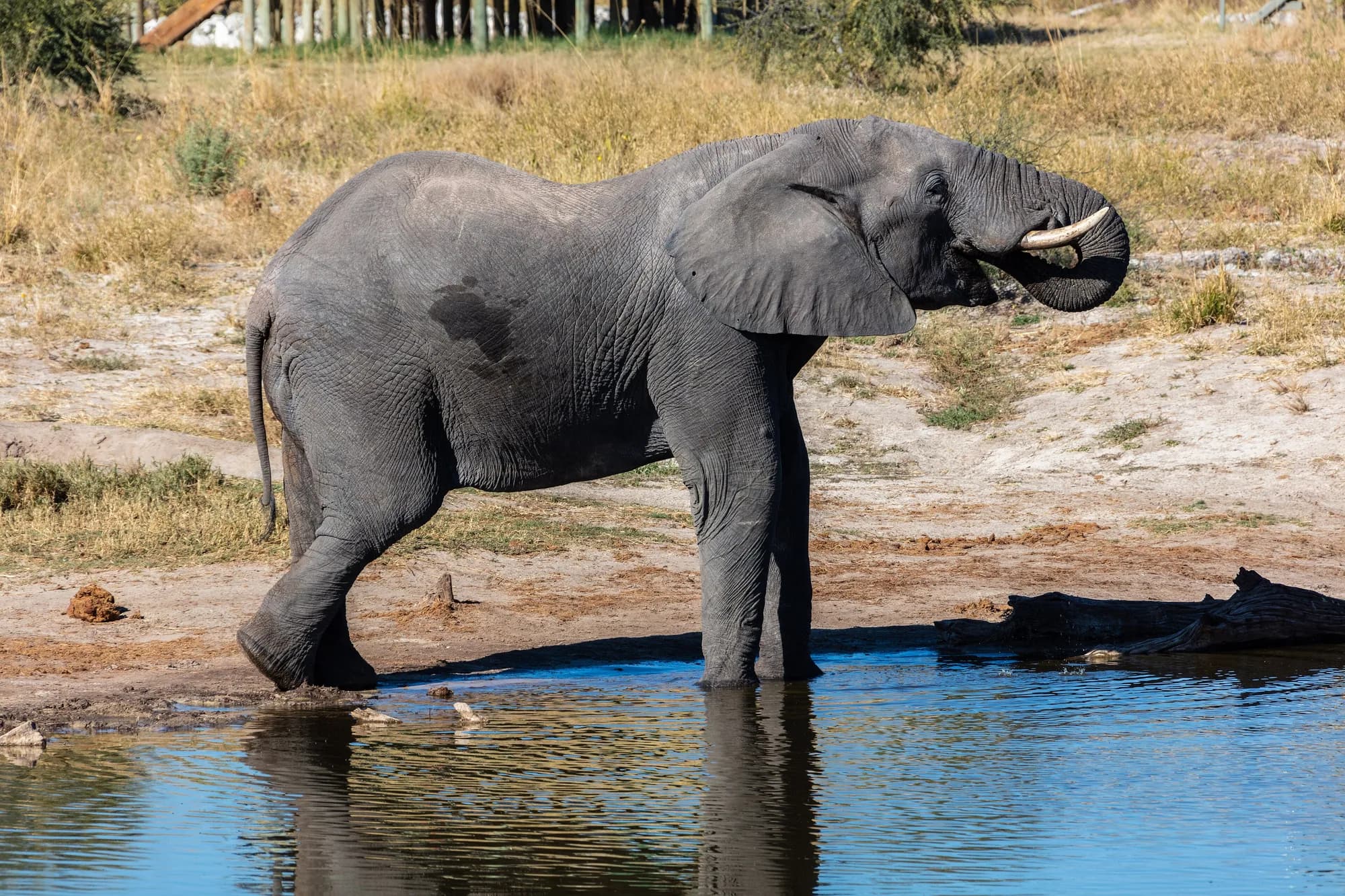
African savanna elephant
Nine countries on this site, and the easiest of the big animals
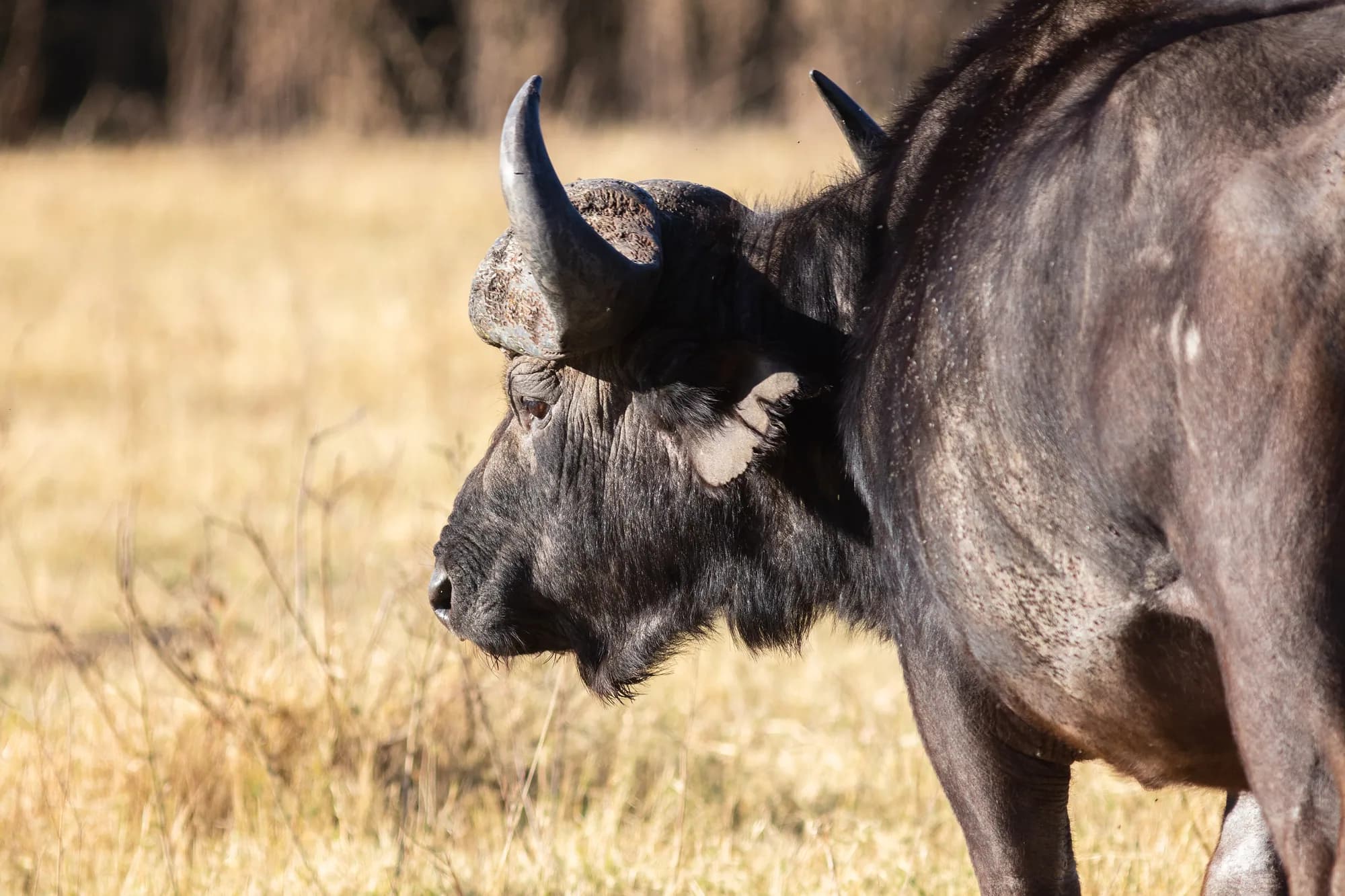
African buffalo
Eight countries here, and the least glamorous of the five
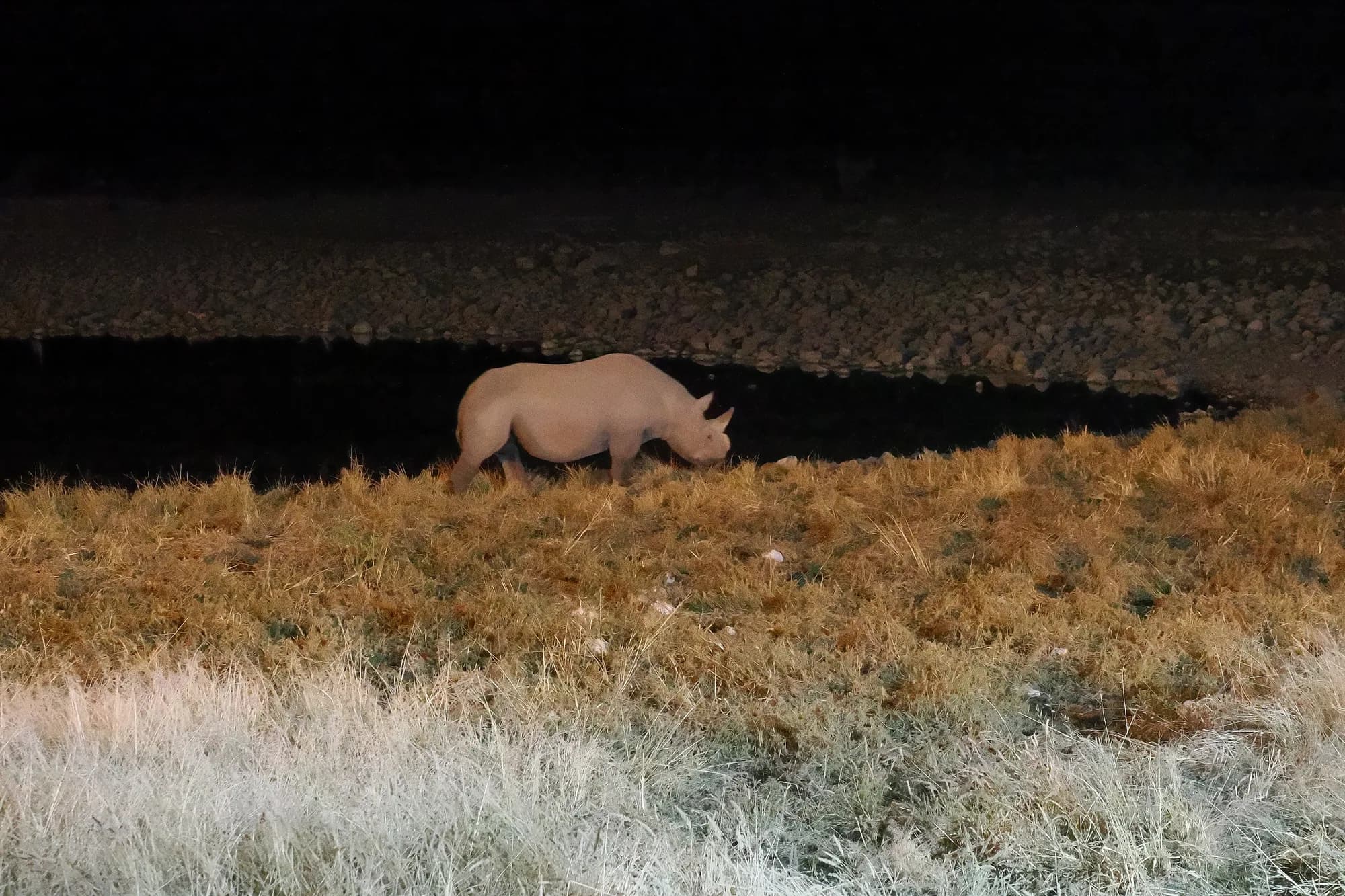
Black rhinoceros
Seven countries here, and genuinely rare in all of them
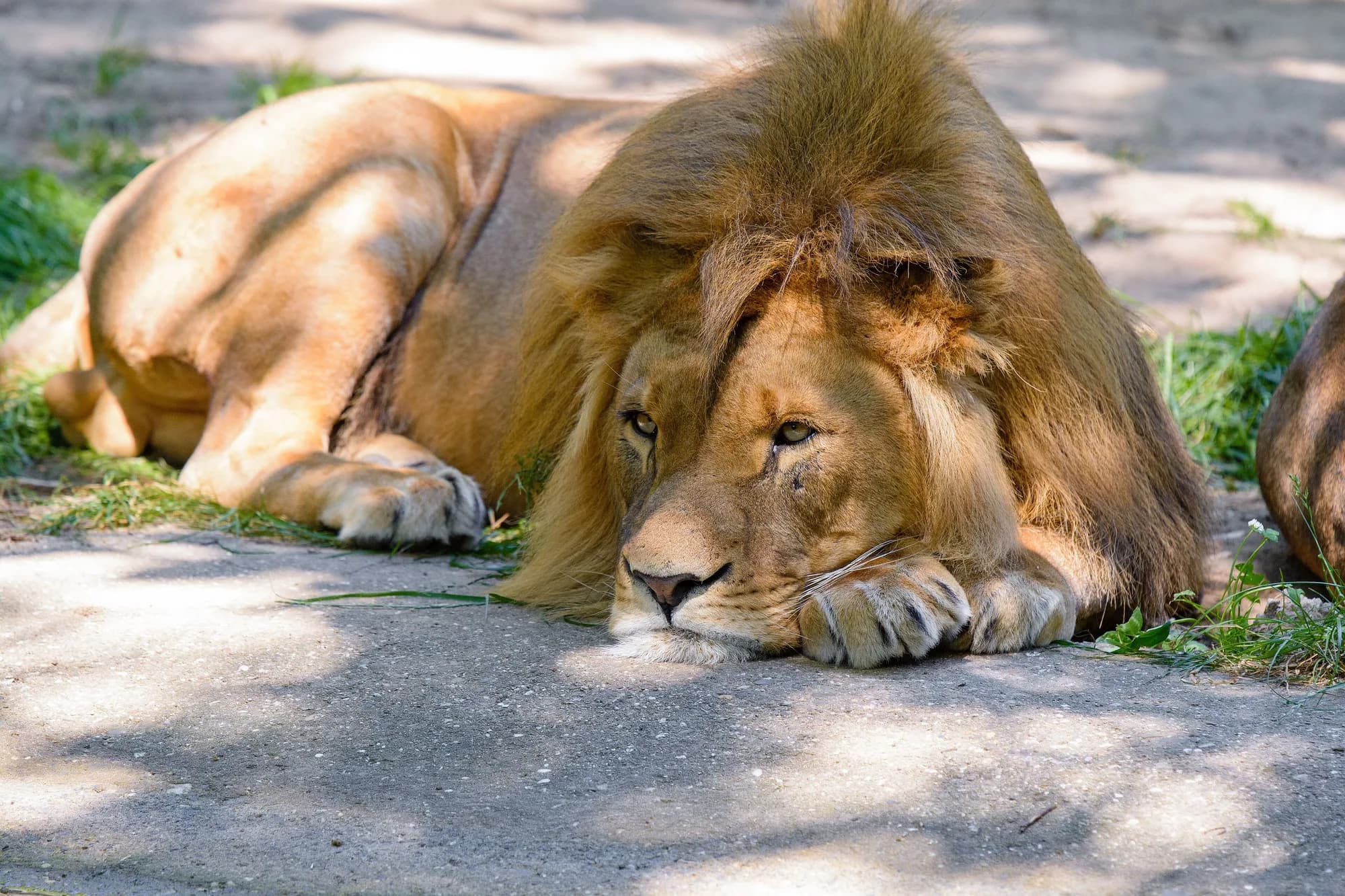
African lion
Nine countries here, and thinner on the ground than it looks
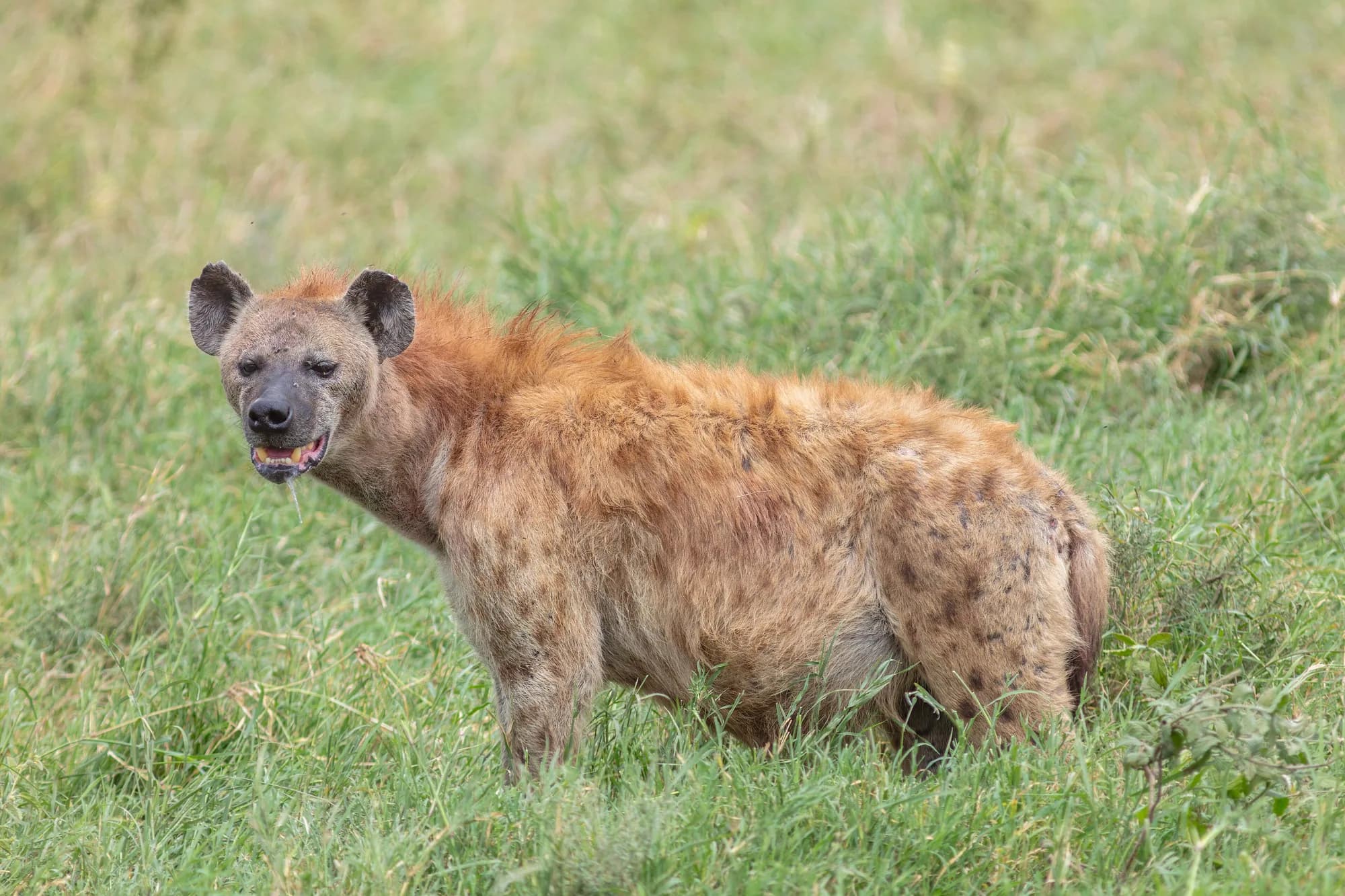
Spotted hyena
Common across the savanna parks, and badly misunderstood
Also recorded here, and not yet written up: Flightless dung beetle.
Questions people ask about Addo Elephant
What is the best time to visit Addo Elephant?
October–April. That is our reading of when the park rewards a trip. Its official closure window is not something we have verified from the department, so confirm the dates before you book.
How much does a safari at Addo Elephant cost?
Conservation fee, charged per person per day at the gate, in rand and inclusive of VAT. SANParks publishes three tiers: South African citizens and residents with ID, SADC nationals with a passport, and a standard rate for everyone else. Adults are 12 and over, children 2 to 11. At Addo Elephant an international adult pays R492 and a child R246; a SADC adult R225 and a child R112; a South African adult R110 and a child R54. These are the rates in force until 31 October 2026. SANParks has already published the next tariff: from 1 November 2026 the standard adult rate rises to R565, about 15% more. Budget on that figure for a trip after that date. SANParks WILD card holders pay no conservation fee on production of the card and photo ID. Both tariffs are printed "Subject to change without prior notice". Source: SANParks — Daily Conservation Fees, 1 November 2025 to 31 October 2026, read 27 September 2026.
How do I book a safari at Addo Elephant?
Through SANParks central reservations. The conservation fee is paid at the gate and needs no booking. What does need booking is everything inside — camps, guided drives and wilderness trails go through SANParks central reservations, and in Kruger and Kgalagadi the popular camps are taken eleven months out. A WILD card, which waives the conservation fee entirely, is bought separately and is worth the arithmetic on any trip longer than about a week. Book direct: we take no payment from travellers and earn nothing from this answer.